Table of Contents
- What Home Energy Monitoring Systems Do
- Real-Time Energy Usage Tracking and Data Visibility
- How to Reduce Electricity Bills with Solar and Monitoring
- Smart Home Integration and Energy Management
- Solar System Monitoring and Maintenance Services
- Environmental Impact and Sustainability Gains
- Data Security and Hardware Compatibility
- Calculating ROI and Payback Period
- Frequently Asked Questions
Last Updated: August 26, 2026
What Home Energy Monitoring Systems Do
A home energy monitoring system is hardware and software that tracks electricity consumption in real time, showing exactly how much power your home uses at any moment. These systems measure energy usage across circuits, individual appliances, or your entire property, then display data through apps or dashboards so you can see where your money’s going.
Most Australian homeowners have no idea which appliances consume the most electricity or when peak usage occurs. A monitoring system changes that by providing instant visibility, enabling informed decisions about when to run high-energy appliances, whether your solar system performs as expected, and where waste is hiding.
Modern systems integrate with smart home technology, battery storage, and solar installations. They trigger alerts when usage spikes, automate load balancing during peak demand, and help you qualify for grid incentives that reward off-peak consumption. For households with solar and battery storage, monitoring is essential, it’s the difference between optimising your system and hoping it works.
GridFree Solar helps Australian homeowners implement comprehensive energy monitoring solutions that work seamlessly with solar installations and battery storage systems. Our CEC-accredited specialists ensure your monitoring setup complies with industry standards like AS/NZS 3000 and AS/NZS 5139:2019, so you get accurate data without safety compromises.
Real-Time Energy Usage Tracking and Data Visibility
Real-time energy consumption data reveals where most homeowners discover their biggest surprises. Instead of waiting for a quarterly bill, you see usage spikes happen and can investigate immediately.
Real-time tracking works through smart meters or sub-metering devices that measure kilowatt-hour consumption continuously. Data flows to a cloud platform or local app, updating every few seconds to every few minutes depending on the system. You watch electricity consumption rise and fall throughout the day, seeing exactly when appliances kick in and how much each draws.
This visibility creates behaviour change almost immediately. When people see that air conditioning costs 2-3 times more than their refrigerator, they adjust thermostat settings. When they notice phantom loads draining power from standby devices, they start switching things off. The monitoring system reveals the truth, and most households respond by making smarter choices.
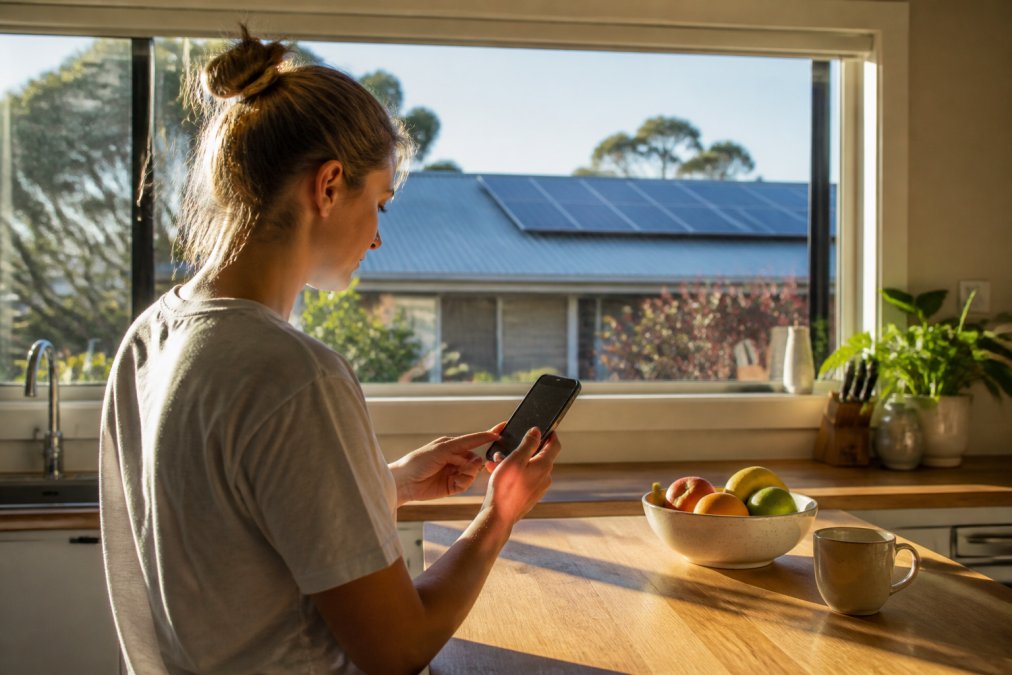
For solar households, real-time data becomes invaluable. You see exactly how much solar energy your panels generate, how much battery charge you’re using, and how much you’re importing from the grid at any moment. This transparency helps you time high-energy tasks like running the washing machine or charging an electric vehicle to match solar production peaks, maximising your own generated power rather than buying expensive grid electricity.
The best monitoring systems also provide historical data and trends. You can compare today’s usage to last week, last month, or last year. These comparisons reveal seasonal patterns, help you spot when appliances degrade, and show the real impact of efficiency upgrades or behaviour changes over time.
How to Reduce Electricity Bills with Solar and Monitoring
Combining solar generation with energy monitoring creates a powerful cost-reduction strategy. You’re not just generating cheaper electricity, you’re using that electricity when it’s most valuable.
The most direct benefit is reducing daytime grid imports. Solar panels generate peak power between 10 am and 3 pm. If your monitoring system shows you’re using most electricity during those hours, you can shift consumption slightly to capture more solar generation. Running the dishwasher at noon instead of 6 pm means you’re using free solar power instead of paying grid rates.
Identifying phantom loads and energy vampires
Phantom loads (also called standby power or energy vampires) are electricity consumed by devices when switched off or in standby mode. Your television, microwave, printer, gaming console, and dozens of other appliances draw power continuously, even when not in use.
A typical Australian household wastes 5-10% of total electricity consumption through phantom loads. That’s money flowing out of your account every day for devices that aren’t even running. Some devices draw minimal power, a few watts. Others, like older satellite TV boxes, can draw 20-30 watts continuously. Over a year, that adds up significantly.
Energy monitoring systems identify these vampires by showing which devices consume power when they shouldn’t. Once you know which devices are the worst offenders, you can unplug them, switch them off at the wall, or replace them with more efficient models. Power boards with switches or smart plugs that cut power entirely when devices are idle provide straightforward fixes. Many households recover 10-20% of their electricity bill simply by eliminating phantom loads.
Optimising peak demand and load balancing
Peak demand is your highest electricity usage at any single moment. Most Australian households hit peak demand between 5 pm and 9 pm, when people are cooking, heating or cooling, doing laundry, and watching television simultaneously. Grid operators charge premium rates for electricity used during these peak hours.
Energy monitoring systems show exactly when your peak demand occurs and which appliances cause it. Once you see that pattern, you can shift some loads to off-peak periods. Run the dishwasher at 10 pm instead of 6 pm. Charge your electric vehicle overnight. Do laundry in the morning rather than evening. These shifts reduce your peak demand, which lowers your electricity bill directly.
Load balancing takes this further. If you have battery storage, your monitoring system can automate this process. It charges your battery during the day when solar generation is high, then uses that stored energy during evening peak demand instead of importing from the grid. This strategy is one of the fastest ways to reduce electricity costs.
GridFree Solar’s monitoring solutions integrate with battery storage systems to automate load balancing, so you capture maximum benefit without manually managing consumption patterns. Our CEC-approved systems ensure your setup qualifies for grid incentives, including the option to export power back to the grid at premium rates during specific periods.
Smart Home Integration and Energy Management
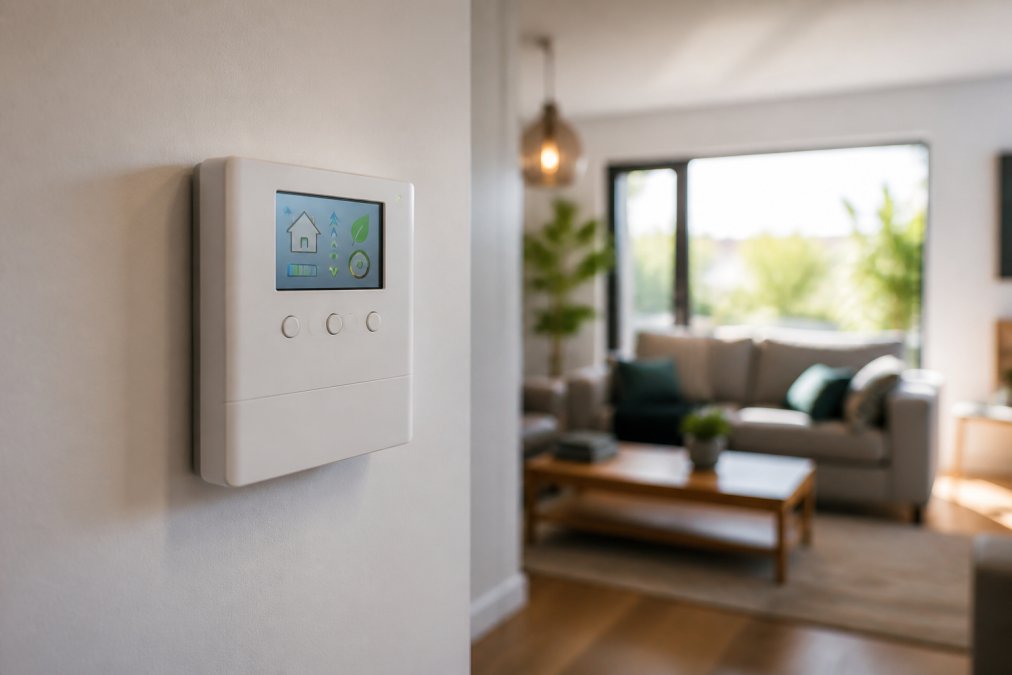
Modern energy monitoring systems integrate with smart thermostats, smart plugs, smart lighting, and battery management systems to create an interconnected energy management environment where devices communicate and optimise consumption automatically.
A smart thermostat linked to your energy monitoring system learns your comfort preferences and adjusts heating or cooling based on real-time electricity pricing. During peak demand periods when grid rates are high, it maintains a slightly wider temperature range to reduce consumption. During off-peak hours or when solar generation is strong, it can be more aggressive with heating or cooling. You stay comfortable while consumption patterns shift to cheaper periods automatically.
Smart plugs connected to your monitoring system cut power to devices when not in use, eliminating phantom loads without manual intervention. Smart lighting adjusts brightness based on natural light availability, reducing consumption during daylight hours when solar generation is highest.
The real power emerges when battery storage is part of the system. Your monitoring platform communicates with your battery management system, deciding in real time whether to draw power from the grid, your battery, or your solar panels. During peak demand periods, it prioritises battery discharge. During off-peak periods or when solar is generating strongly, it prioritises battery charging. This automation ensures you’re always using the cheapest available power source.
Solar System Monitoring and Maintenance Services
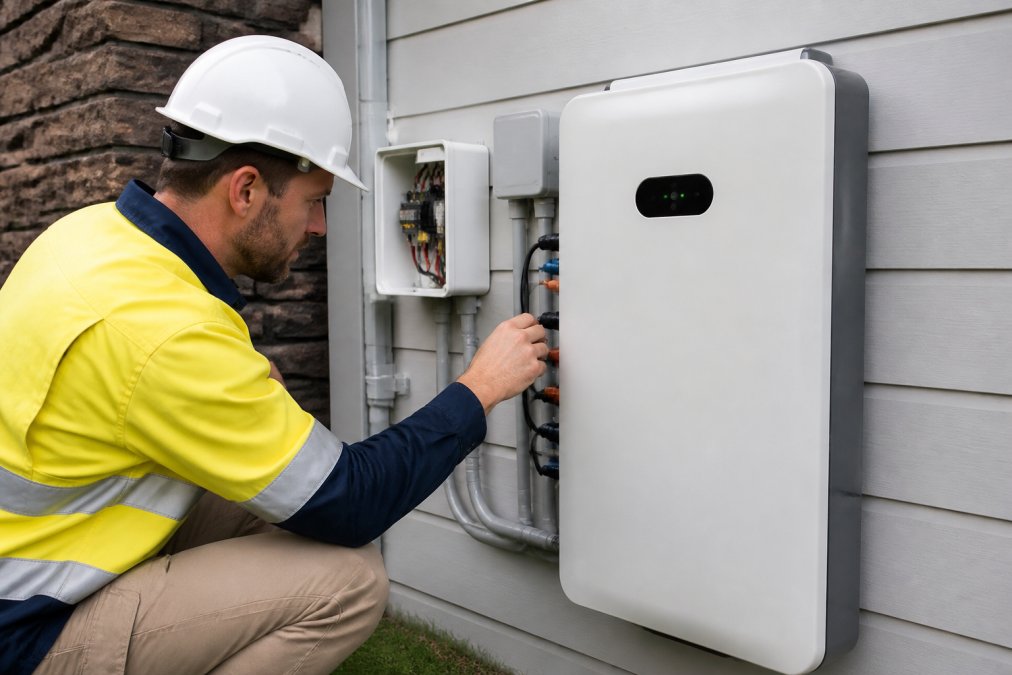
Solar system monitoring focuses specifically on how your solar panels and battery storage perform. A dedicated solar monitoring system tracks panel output, battery charge levels, inverter efficiency, and system health continuously.
Solar panels degrade gradually over time. Dust, bird droppings, tree shade, and equipment failures all reduce output. A monitoring system alerts you when performance drops unexpectedly, so you can investigate and fix problems before they cost significant lost generation. If one panel starts underperforming, your system flags it immediately rather than letting you lose 10-15% output for months without noticing.
Battery storage systems also require monitoring. Battery management systems track charge cycles, temperature, voltage, and overall health. Over time, lithium batteries naturally lose capacity. Monitoring systems track this degradation and alert you when battery capacity falls below usable thresholds, helping you plan replacement cycles.
GridFree Solar provides comprehensive solar system monitoring and maintenance services as part of our installation packages. Our CEC-accredited installers configure your monitoring system to track all critical performance metrics and provide ongoing support to help you optimise your system’s performance. Regular maintenance, cleaning panels, checking electrical connections, verifying inverter settings, keeps your solar system performing at design specifications and helps you qualify for government rebates and incentives that require professional system monitoring.
Environmental Impact and Sustainability Gains
Energy monitoring systems enable measurable reductions in electricity consumption, which directly translates to lower carbon emissions. Every kilowatt-hour you avoid consuming is a kilowatt-hour that doesn’t need to be generated by coal, gas, or other fossil fuel power stations.
When you combine monitoring with solar generation, the environmental impact multiplies. Solar panels generate electricity with zero emissions during their operational life. By using monitoring to maximise consumption of solar-generated power and minimise grid imports, you’re replacing grid electricity with clean renewable energy.
The typical Australian household that installs solar with battery storage and implements energy monitoring can reduce their annual carbon footprint by 5-8 tonnes of CO2 equivalent (cleanenergycouncil.org.au). Over a 25-year system lifespan, that’s 125-200 tonnes of emissions avoided. For households that also shift to electric vehicles and use monitoring to optimise EV charging during solar generation peaks, total emissions reduction is substantially higher.
Data Security and Hardware Compatibility
Energy monitoring systems collect detailed data about your household’s consumption patterns. Protecting that data from unauthorised access is essential.
Reputable monitoring systems use encrypted data transmission, secure cloud storage, and authentication protocols to protect your information. Look for systems that comply with relevant Australian privacy standards and provide clear transparency about what data is collected, how it’s stored, and who can access it.
Hardware compatibility is equally important. Your monitoring system needs to work with your existing solar inverter, battery management system, and smart home devices. Before purchasing a system, verify that it integrates with your specific inverter model, battery brand, and any smart home devices you plan to use.
GridFree Solar ensures your monitoring system is compatible with your entire energy setup. Our CEC-accredited installers specify hardware that works seamlessly together and complies with Australian electrical safety standards.
Calculating ROI and Payback Period
The return on investment for a home energy monitoring system depends on your current electricity consumption, the cost of monitoring hardware and installation, how much consumption you can reduce, and your local electricity rates.
A basic monitoring system can help you reduce electricity consumption by 10-15%, which is realistic for households that actively adjust behaviour based on monitoring data (peer-reviewed research). For households with solar and battery storage, monitoring helps you optimise battery charging and discharging cycles, maximise solar self-consumption, and qualify for grid export incentives. These benefits can generate significant additional annual savings.
To calculate your specific ROI, work with your solar installer to estimate annual electricity consumption reduction from behaviour change, annual savings from optimised solar self-consumption, and annual income from grid exports. Divide total cost by annual savings to determine payback period in years.
Energy monitoring transforms your relationship with electricity consumption. Instead of receiving a bill and wondering where the money went, you see exactly where your power is being used, when it’s being used, and what it’s costing. That visibility drives behaviour change, enables optimisation of solar and battery systems, and creates opportunities to earn income by exporting excess generation back to the grid.
GridFree Solar helps Australian homeowners implement monitoring systems that integrate seamlessly with solar installations and battery storage. Our CEC-accredited specialists ensure your system complies with AS/NZS 5139:2019 and AS/NZS 3000 standards, and we provide ongoing maintenance and support to keep your system performing optimally. Connect Now to discuss how energy monitoring can reduce your electricity bills and maximise your solar investment.
Frequently Asked Questions
Q: Are home energy monitoring systems worth the investment for solar households?
A: Yes, particularly for solar households. Monitoring systems reveal exactly when your panels generate power and how your household consumes it, helping you shift usage to peak generation hours. This maximises self-consumption of solar energy and reduces reliance on grid power, directly lowering your electricity bills. Combined with battery storage, real-time data lets you capture export revenue during peak tariff windows, accelerating your return on investment.
Q: What is the difference between a smart meter and a home energy monitor?
A: A smart meter measures total grid consumption and is installed by your utility provider. A home energy monitoring system provides circuit-level or appliance-level visibility into electricity consumption in real-time, showing which devices consume the most power and when. For solar households, a dedicated monitor reveals solar generation patterns and battery performance, enabling far more granular control than a smart meter alone.
Q: How do home energy monitoring systems integrate with existing solar setups?
A: Most modern monitoring systems connect to your solar inverter and battery storage via Wi-Fi or direct integration, displaying generation, consumption, and battery charge status on a single dashboard. This integration allows you to see the complete energy picture: how much solar you’re generating, how much you’re using, how much you’re storing, and how much you’re exporting. Professional installation ensures compatibility with your specific equipment and compliance with Australian electrical standards.
Q: Can energy monitoring systems help me qualify for feed-in tariffs?
A: Energy monitoring systems don’t directly determine feed-in tariff eligibility, but they help you maximise revenue once you qualify. By showing real-time export data, they help you understand when your system exports power and at what rates. This visibility helps you optimise battery discharge timing to export during peak-rate windows, increasing your earnings from solar energy exported back to the grid.
This article was written using GrandRanker