
When the lights go out at 6:30 pm, the difference between inconvenience and real disruption comes down to one thing – what still works in your home or business. If you are comparing the best backup power systems for outages, the right choice is rarely the biggest or the most expensive. It is the system that keeps your critical loads running, suits your property, and delivers reliable backup without creating a new set of headaches.
For most Australian households and small businesses, backup power is no longer just about emergency cover. It is also about reducing grid dependence, making better use of solar, and avoiding the frustration of paying rising electricity bills while still feeling exposed during blackouts. That is why the smartest backup setup usually combines resilience, everyday savings, and practical system design.
What counts as the best backup power systems for outages?
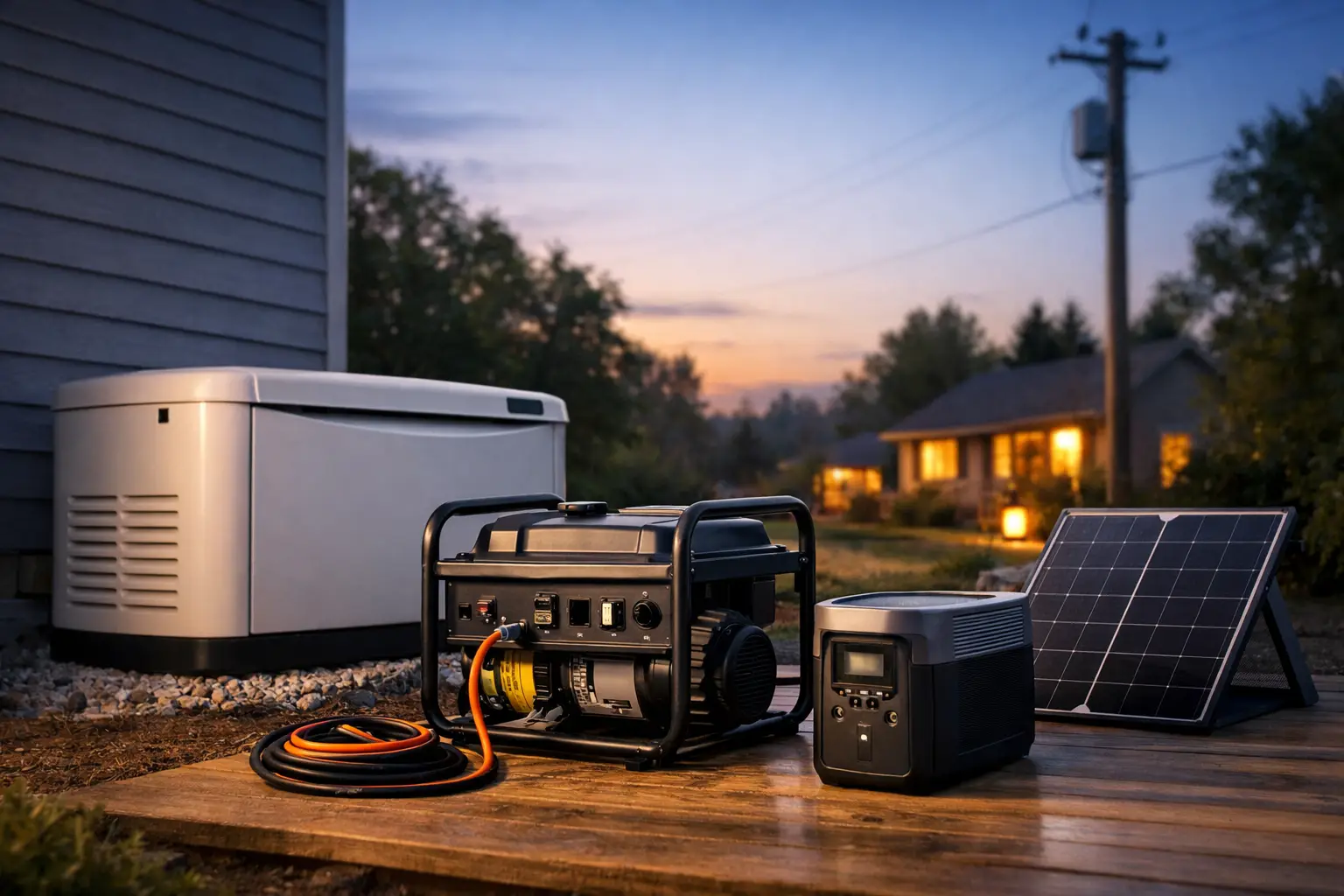
The best backup power systems for outages fall into four broad categories: battery storage systems, solar and battery combinations, standby generators, and portable generators or power stations. Each has a place. The better option depends on what you need to keep running, how long outages usually last in your area, and whether you want your backup system to work for you every day or only when the grid fails.
If your priority is quiet, automatic backup for lights, the fridge, internet, and a few essential circuits, a battery system is usually the strongest fit. If you also want lower electricity bills and better solar self-consumption, pairing that battery with solar makes even more sense. Generators can still be useful, especially for long-duration outages or sites with very high loads, but they come with trade-offs around noise, fuel, maintenance, and emissions.
Battery backup is often the strongest all-round option
Battery storage has changed the conversation around backup power. Instead of waiting for an outage to justify the investment, homeowners can use stored power every evening, reduce peak imports from the grid, and still have backup available when it matters.
A well-designed battery backup system can automatically detect a blackout and switch selected circuits to stored energy within seconds. That means no wheeling out equipment in the dark, no extension leads across the floor, and no scrambling to find fuel. For many families, that convenience matters as much as the backup itself.
There is a catch, though. Battery systems are not one-size-fits-all. A smaller battery may comfortably run lights, Wi-Fi, refrigeration, garage doors and device charging, but struggle if you expect it to power ducted air conditioning, electric hot water, an oven, and pool equipment all at once. This is why good system design matters more than brochure promises.
What a battery system does well
Battery backup is best for short to medium outages, especially when your goal is to keep essential loads operating smoothly. It is quiet, automatic, low maintenance, and can integrate with solar so the system continues delivering value outside blackout events.
For businesses, batteries can also protect point-of-sale systems, security equipment, refrigeration, communications, and core lighting. That can mean the difference between staying operational and losing stock or trading time.
Where battery backup needs careful planning
The main limitation is runtime. How long a battery lasts depends on its usable capacity and what you are asking it to power. A battery that supports essentials overnight may only last a few hours if heavy appliances are included. Properties that want whole-home backup need a larger system, staged load management, or a hybrid approach.
Solar plus battery gives you backup and bill savings
If you already have rooftop solar, adding a compatible battery is often the most practical upgrade. Instead of exporting excess daytime generation for a modest feed-in tariff and buying it back at a higher evening rate, you store more of your own energy and use it when tariffs are higher.
During an outage, the benefit depends on the inverter and battery configuration. Not every solar system keeps operating in a blackout. Standard grid-connected solar shuts down for safety unless the site has blackout-capable battery backup and the right switching setup. This catches a lot of people out. They assume solar panels alone will keep the power on, then discover they do not.
A properly configured solar and battery system can continue powering backed-up circuits during daylight, recharge from solar when the sun is out, and extend your runtime significantly. In practical terms, that makes it one of the best backup power systems for outages if you want both resilience and long-term return on investment.
Standby generators still suit some properties
Generators remain relevant, especially for sites where outages run long, loads are high, or battery capacity would need to be very large to cover everything. A standby generator can kick in automatically and keep a home or commercial site operating for as long as fuel is available.
That makes generators attractive for rural properties, workshops, medical needs, or businesses with refrigeration and equipment that must stay online. They also handle high-surge loads more comfortably than many battery-only systems.
The trade-off is ongoing upkeep. Generators need servicing, fuel management, ventilation, and safe installation. They are also noisy compared with batteries, and they do not help reduce daily electricity costs unless they are part of a broader energy strategy. For many urban and suburban customers, that makes them less appealing as a primary backup choice.
Portable generators and power stations are the entry-level option
Portable generators and portable battery power stations can work for households that want basic emergency support without a full installed system. They are useful for charging mobiles, running a fridge, powering lights, or keeping a modem active during shorter outages.
But they are not a substitute for a properly integrated home backup system. Portable generators need manual setup and careful safety handling. Portable battery units are cleaner and quieter, but limited in capacity. They can be a sensible stopgap, though they rarely deliver the automation, coverage, or whole-property value that most owners are looking for.
How to choose the right backup system for your property
The right question is not, “What is the best product?” It is, “What do I need to keep running, for how long, and what should this system also do for me when the grid is working?”
Start with your critical loads. For a home, that often means refrigeration, lighting, internet, device charging, garage access, and maybe a few power points. For a small business, it could include EFTPOS, security, communications, refrigeration, or servers. Once those loads are clear, you can size backup around what actually matters instead of overpaying for capacity you may never use.
Next, think about outage patterns. If blackouts in your area are short and infrequent, a battery focused on essential loads may be ideal. If they are longer or more common, you may need a larger battery, solar integration for daytime recharge, or generator support.
Then look at your wider energy goals. If lower bills, rebate eligibility, solar self-consumption, and energy independence are part of the picture, batteries often outperform generators on total value. That is especially true when the system is designed to shift usage away from expensive evening imports.
The features that matter most
When comparing systems, focus less on marketing language and more on practical performance. Backup capability should be clearly defined. Some systems provide partial backup, meaning only selected circuits stay live. Others can support whole-home backup if sized correctly.
Usable battery capacity matters more than headline capacity. You also want clear information on backup switchover, inverter compatibility, solar integration, monitoring, warranty terms, and whether the system is approved for local standards and rebate pathways. Good monitoring is particularly valuable because it shows how much energy you are storing, using, and exporting, which makes performance easier to track over time.
This is also where installer quality becomes critical. The best hardware can still underperform if the load planning is poor, the switchboard setup is rushed, or the backup configuration does not match how the property actually uses energy.
Why professional design makes the biggest difference
Backup power is not just about buying equipment. It is about designing a system that matches your property, your usage profile, and your expectations when the grid fails. That includes identifying essential circuits, checking solar compatibility, sizing storage correctly, and making sure installation and compliance are handled properly.
For many customers, the value is in having one provider manage the full process – system design, certified installation, battery setup, rebate guidance, and aftercare. That reduces the risk of ending up with a battery that looks good on paper but does not deliver the backup coverage or savings you were promised.
GridFree Solar works with this exact problem every day: helping households and small businesses move from uncertainty to a practical energy setup that covers backup, savings, and long-term performance without unnecessary complexity.
If you are weighing up the best backup power systems for outages, think beyond blackout protection alone. The right system should keep the essentials on, cut waste from exported solar, and give you more control over your power bills long after the outage has passed.