A battery is only valuable when it changes how you use power. For households exporting cheap solar during the day, then buying expensive electricity after sunset, this Sigenergy SigenStor review looks at whether the system offers a practical path to lower bills, stronger backup power and greater control over your energy.
SigenStor is not designed as a basic battery added to an existing solar system. It is an integrated energy platform that can combine solar conversion, battery storage, energy monitoring, backup capability and optional EV charging. That makes it an appealing proposition for new solar-and-battery installations, major battery upgrades and homes planning to add an electric vehicle.
The trade-off is simple: more integration can create a cleaner, smarter setup, but it also means the system needs to be designed properly from the start. Battery capacity, inverter size, backup requirements and your electricity retailer all matter.
What is the Sigenergy SigenStor system?
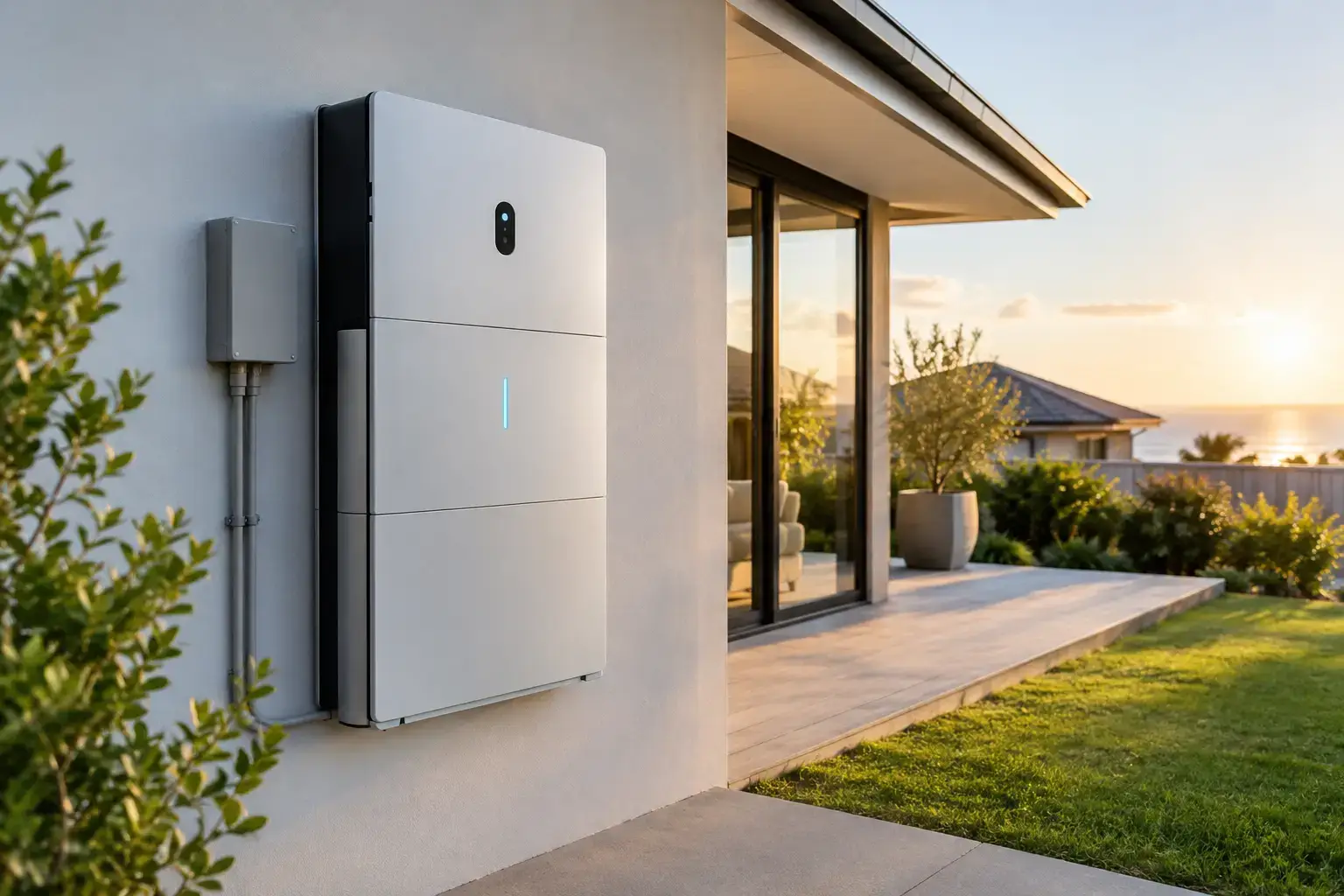
SigenStor is a modular home energy system built around stackable battery modules and an energy controller. Rather than placing a separate solar inverter, battery inverter, battery bank and monitoring device around the property, Sigenergy brings much of that equipment into one coordinated system.
Depending on the configuration, a SigenStor installation can include solar input, battery storage, a hybrid inverter, a backup gateway and an optional DC EV charger. The system is managed through the Sigen app, giving homeowners visibility of solar generation, household consumption, battery charge and grid imports.
For most Australian homeowners, the major appeal is flexibility. A smaller battery can suit a household with modest evening use, while additional modules can be added as consumption increases, solar production grows or an EV enters the driveway. That modular approach can reduce the risk of paying for more storage than you need on day one.
Sigenergy SigenStor review: where it performs well
The strongest reason to consider SigenStor is its all-in-one design. A well-designed system can direct surplus solar into the battery, supply the home after dark and respond to changing household demand without requiring you to manage it manually. For families with high afternoon and evening consumption, that can materially reduce grid purchases.
Its modular battery architecture is also a genuine advantage. Energy use is rarely static. A couple may later work from home, install a pool, add air conditioning or buy an EV. Being able to expand storage can be more practical than replacing an undersized battery a few years after installation.
A cleaner option for solar, storage and EV plans
Homes planning for electric vehicle charging should pay particular attention to the SigenStor ecosystem. The optional DC charging capability is designed to use solar energy more efficiently than a conventional arrangement that converts power multiple times between DC and AC.
That does not automatically mean every household needs it. If you rarely charge at home or already have a suitable AC charger, the additional equipment may not deliver the best return. But for regular daytime home charging, especially where solar production is high, an integrated design can make strong financial sense.
Backup power can be designed around real priorities
Backup is another area where SigenStor can be compelling. With the appropriate gateway and installation design, the system can keep selected essential loads operating during a grid outage. That may include lighting, refrigeration, internet, selected power points and some larger appliances, depending on the system size and switchboard arrangement.
The key word is designed. A battery does not guarantee that every appliance in a home will run during an outage. Ducted air conditioning, induction cooking, pool pumps and EV charging can place substantial demand on the system. If whole-home backup is the goal, the inverter capacity, battery size, phase configuration and appliance loads all need careful assessment before installation.
Monitoring supports better energy decisions
Good monitoring turns a battery from a black box into a useful household asset. The Sigen app is intended to show where energy is being generated and used, helping owners spot patterns such as heavy overnight consumption, low solar self-consumption or an appliance that is drawing more power than expected.
This matters because savings come from more than battery capacity. A household that shifts dishwasher cycles, laundry or EV charging into solar-rich hours can often improve outcomes without adding another battery module.
The trade-offs to consider before buying
SigenStor is a newer name in Australia than long-established battery brands. That does not make it a poor choice, but it does mean buyers should give extra weight to local installer capability, warranty administration and ongoing support. A quality battery is only as dependable as the design, commissioning and aftercare behind it.
Ask who will support the system if you need help in three, five or 10 years. Confirm which components are covered, how warranty claims are handled and whether the installer will remotely monitor performance after commissioning. These questions are sensible for every battery brand, but they are particularly valuable when choosing an integrated platform.
Cost is another consideration. A SigenStor system can offer excellent value when its integrated functions replace several separate products or when you genuinely plan to use its EV and backup features. It may be less compelling if your only goal is a small battery to capture a limited amount of excess solar each day.
There is also no universal “right” battery size. A very large battery may look attractive, but it can take longer to pay for itself if your solar system cannot regularly charge it or your household does not use enough power after sunset. Conversely, a battery that is too small can fill early and leave valuable solar energy exported to the grid.
Is SigenStor suitable for your property?
SigenStor is likely to suit homeowners who want more than basic battery storage. It is particularly worth considering for new builds, households replacing an ageing solar inverter, properties with frequent outages, and families preparing for EV ownership. It can also suit small businesses that consume power outside solar production hours and want better control over electricity costs.
It may be less suitable where roof space and solar production are limited, the switchboard requires substantial upgrades, or the budget only allows for a small entry-level storage system. In those cases, a simpler battery configuration may provide a better return.
Before committing, a proper assessment should look at your interval electricity data, current solar generation, export volumes, evening use, tariff structure, roof layout and future loads. In Australia, factors such as controlled-load tariffs, time-of-use pricing, local network rules and available battery rebates can all affect the financial result.
VPP participation needs a separate check
SigenStor has smart energy management features that may support participation in a virtual power plant, subject to approved programs and retailer requirements. A VPP can provide credits or incentives in exchange for allowing an operator to use some battery capacity at certain times.
That can improve the financial case, but it is not automatically the best option. Read the agreement carefully. Consider how often the battery may be dispatched, whether a minimum reserve is protected for outages, and whether the payments justify giving up some control. Compatibility should always be confirmed with the specific VPP provider, not assumed from the battery brand alone.
What a well-designed SigenStor quote should include
A clear proposal should show more than a battery capacity figure. It should state the usable storage, inverter output, number of battery modules, solar inverter arrangement, expected backup circuits, monitoring inclusions and whether the EV charger or backup gateway is included.
It should also explain the expected savings assumptions. A credible estimate accounts for your actual electricity usage and tariff, rather than relying on a headline figure that assumes perfect solar conditions every day. For homes seeking rebates, the installer should clarify eligibility, paperwork responsibilities and any requirements that must be met before work begins.
GridFree Solar approaches battery design this way: matching system capacity and backup goals to the property, then managing the technical and administrative details so the investment performs as intended.
SigenStor is a strong option for households that value an expandable, integrated energy system and are willing to invest in proper design. The best next step is not choosing the largest battery on a brochure. It is finding the system size that captures your solar, covers your highest-value usage and leaves you confident when the grid is not available.