
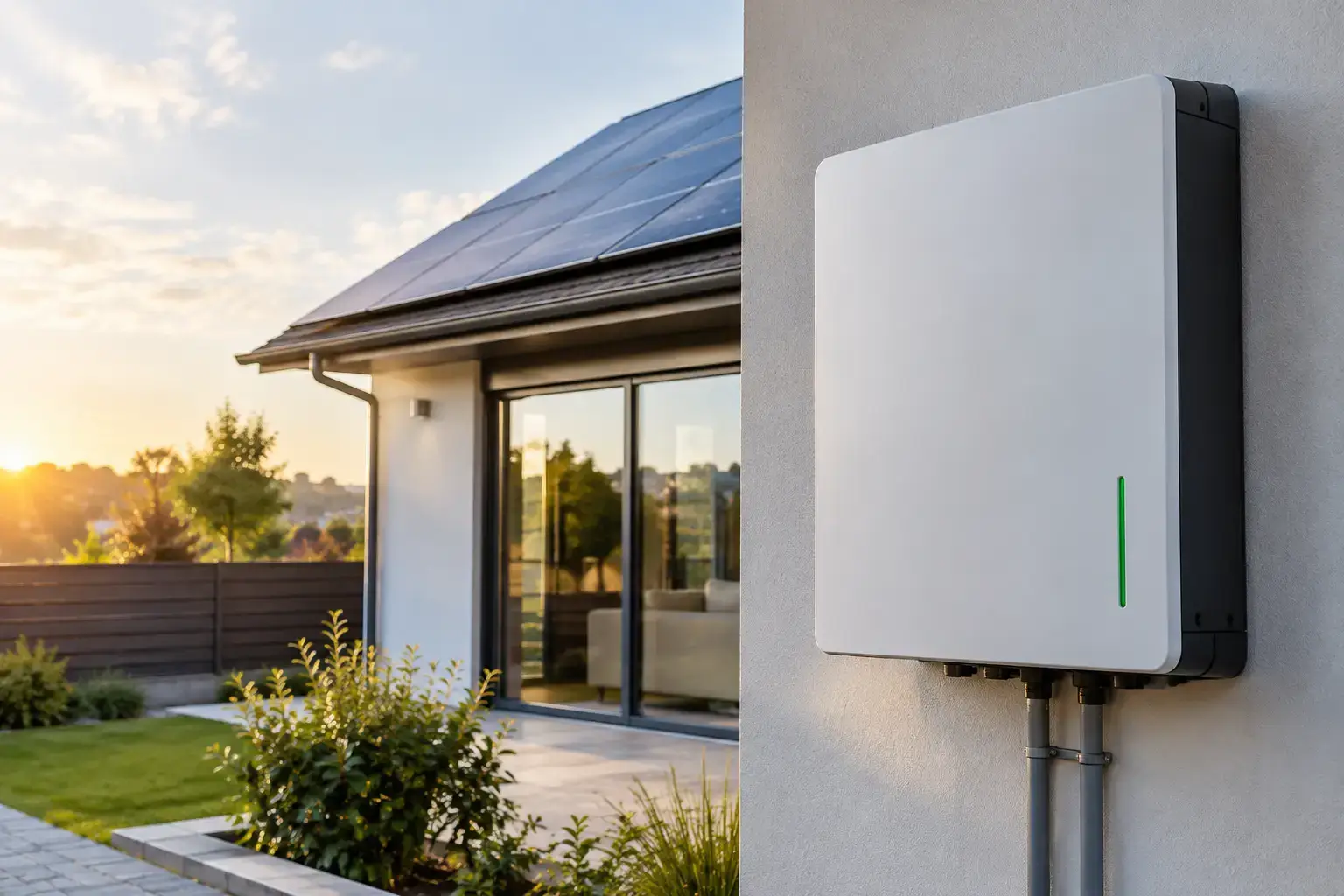
A battery can turn the solar power your home exports for a few cents into electricity you use after sunset, when grid rates are often at their highest. But a useful home battery review Australia homeowners can rely on is not about picking the biggest unit or chasing a headline price. It is about matching the battery to your household’s solar production, evening usage, tariff and expectations for backup power.
For some homes, a battery is the missing piece between a good solar system and meaningful bill reduction. For others, the better first move is adding more panels, improving energy efficiency or changing to a tariff that rewards the way they use power. The right answer comes from the numbers behind your meter.
What a home battery actually changes
Solar panels make the most electricity around the middle of the day. Many households are away at work, school or both during those hours, so much of that solar energy is exported to the grid. A battery stores surplus generation and releases it later, helping you run the evening load on your own energy.
That can reduce imports from the grid, particularly when the household uses air conditioning, cooking appliances, lighting, entertainment and hot water after solar production has dropped. A battery can also provide controlled backup during an outage if it has been designed and installed with backup capability. Not every battery system does this by default.
The value is strongest where there is a clear gap between a low solar feed-in tariff and a much higher retail electricity rate. It can also improve with smart controls that charge from excess solar, respond to time-of-use tariffs and, where suitable, participate in a virtual power plant.
Home battery review Australia: the factors that matter
Capacity is useful energy, not just a large number
Battery capacity is measured in kilowatt-hours, or kWh. This tells you how much energy the battery can store, but it should not be viewed in isolation. Usable capacity is the more meaningful figure, because batteries retain a small reserve to protect their cells and maintain performance.
A household with modest overnight consumption may be well served by a smaller battery that cycles regularly. A large family home with pool equipment, ducted air conditioning or high evening demand may need more storage, or a battery system that can be expanded over time. Oversizing can leave expensive capacity sitting unused through much of the year. Undersizing can mean the battery is empty before the household’s evening peak has passed.
A good design starts with interval data from your electricity bill or smart meter. It should look at solar generation and consumption across seasons, not simply one sunny week.
Power output determines what you can run
Capacity tells you how long a battery may last. Power output, measured in kilowatts, tells you how much it can supply at one time. This distinction matters when several high-demand appliances run together.
For example, a battery with plenty of stored energy may still not cover an electric oven, kettle, air conditioner and EV charger operating at once. The home will then draw additional power from the grid, unless the system has been designed with sufficient output and the switchboard can support it.
Ask how much continuous power the battery can provide, how it performs during short peaks and whether output changes in backup mode. These details affect everyday comfort as much as the battery’s headline capacity.
Backup power needs a clear plan
Many homeowners assume a battery will keep the entire house running during a blackout. In practice, backup depends on the battery, inverter, electrical design and local network requirements.
A partial-backup setup usually keeps selected essential circuits operating, such as lights, fridge, internet, some power points and a garage door. This is a practical and cost-effective option for many homes. Whole-home backup can support more circuits, but it requires careful load management and may need a larger battery and inverter.
Backup duration depends on what is turned on. Keeping a fridge, modem and several lights running is very different from running ducted cooling or an electric hot water system. During daylight, solar may recharge the battery and extend resilience, provided the system can operate safely in an outage.
Warranty should be read beyond the years
Most quality home batteries come with a product warranty and a performance commitment based on retained capacity, energy throughput or both. A 10-year warranty is reassuring, but it is not the whole comparison.
Check the guaranteed retained capacity at the end of the warranty period, the permitted number of cycles or total energy throughput, and any conditions around installation, monitoring and operating temperature. Also ask who handles a warranty claim and whether the installer will remain available to coordinate diagnosis and replacement if needed.
Australian conditions can be demanding. Battery location, ventilation, direct sun exposure and compliance with installation standards all influence safety, longevity and practical access for servicing.
The real financial question: how much solar can you keep?
A battery does not create extra solar electricity. It shifts surplus energy from one part of the day to another, with some energy lost during charging and discharging. That is why the financial case should be based on realistic self-consumption, not a promise that every exported kilowatt-hour can be stored and used later.
A tailored estimate should compare your current bill with expected imports and exports after installation. It should account for seasonal solar production, battery losses, tariff structure, expected household changes and any planned EV charging or electrification upgrades.
Time-of-use tariffs can materially affect the result. In some cases, a battery can charge from solar in the day and avoid expensive grid periods in the evening. In others, smart tariff charging can add value by charging when electricity is cheap and reserving battery energy for a later peak. Whether this makes sense depends on your retailer plan, battery controls and risk tolerance around changing tariffs.
Virtual power plants may offer credits or other benefits for allowing an operator to access part of the battery capacity at certain times. They can suit households comfortable with a shared-energy model, but read the agreement carefully. Understand how often your battery may be called on, what reserve you retain for backup and whether participation affects your preferred retailer or tariff.
Rebates can improve payback, but eligibility comes first
Battery incentives can make a major difference to upfront cost, yet they vary by state, territory, postcode, system size and the program rules in place at the time of installation. Some support may be limited to approved products, accredited installers, specific customer groups or applications lodged before work begins.
Do not make a purchase decision based on an assumed rebate. Request an itemised proposal that shows the battery, inverter, backup hardware, installation, switchboard work and incentive assumptions separately. This makes it easier to compare quotes and understand what you would pay if program settings change.
Administrative support matters here. A capable installer can confirm likely eligibility, manage required paperwork and explain any conditions before installation is scheduled. It removes a common source of expensive surprises.
Questions to ask before choosing a battery
Before signing a proposal, ask the installer to explain the design in plain language. You should know the usable battery capacity, continuous power output, expected solar charging profile and how much of the home will operate in a blackout.
Also ask whether your existing inverter is compatible, whether additional solar panels would improve the outcome, and if the battery can be expanded later. If you plan to buy an EV, install a heat pump hot water system or replace gas appliances, mention it early. These changes can alter your consumption profile and the battery size that makes sense.
Finally, compare the installation scope, not only the battery brand. A lower quote may exclude backup circuits, monitoring hardware, switchboard upgrades, compliance work or aftercare. A complete system should be designed around safe operation, transparent performance expectations and support after commissioning.
When a battery may not be the first upgrade
A battery may not yet be the best investment if your home has little surplus solar, very low evening usage or an ageing solar system that needs attention first. Households with minimal daytime generation often gain more from adding panels, where roof space and network approval allow, before investing in storage.
Likewise, a household facing high heating or cooling bills may benefit from efficiency measures and smarter appliance scheduling. The goal is not to add technology for its own sake. It is to build an energy system that reduces expensive grid imports without compromising how you live or work.
A professional assessment should be willing to say this. The best outcome may be a staged plan: optimise your existing solar now, prepare the switchboard for storage, then install a battery when your usage, budget or available incentives align.
Choose a system built around your household
The strongest battery investment is one that works quietly in the background: storing your excess solar, reducing peak-time purchases, providing the level of backup you actually need and showing its performance clearly through monitoring. It should also leave room for the way your home may change over the next decade.
GridFree Solar helps homeowners assess those practical details, from battery sizing and compliant installation to rebate paperwork and ongoing system support. Start with your energy data, be clear about your priorities, and choose a design that gives you control rather than another complicated bill to decode.