Power bills are one thing. Having no reliable power at all is another. That is why interest in off-grid solar systems Australia-wide keeps growing, especially for regional homes, farms, new builds and small businesses outside reliable network coverage. For some properties, going fully off grid makes financial sense. For others, a battery-backed grid-connected system delivers better value with less risk.
The key is getting clear on what off-grid actually involves before you commit. A standalone energy system is not just solar panels on the roof. It is a carefully designed combination of solar generation, battery storage, inverter capacity and backup planning that has to keep your property running every day of the year, including winter, storms and high-demand periods.
What off grid solar systems in Australia actually include
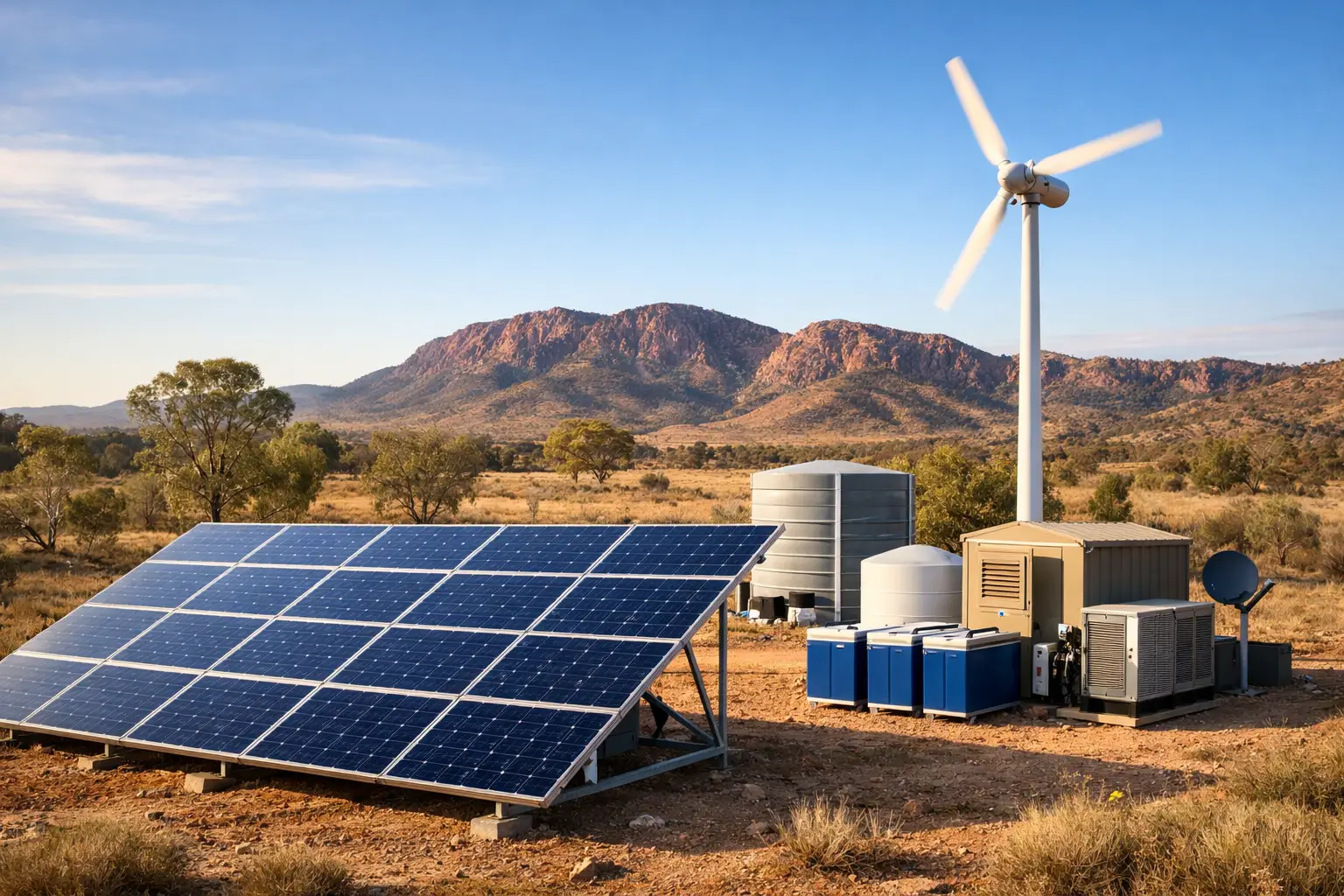
A proper off-grid system has more moving parts than most people expect. Solar panels produce energy during the day. Batteries store excess energy for overnight use and cloudy periods. An off-grid inverter manages the flow of electricity and converts it into usable power for the property. Most systems also need a backup generator, not because solar fails, but because every standalone setup needs protection against extended bad weather or unusually high usage.
That last part matters. In metro areas, people often think of solar as a bill reduction tool. Off grid solar systems in Australia are different. They are your entire power supply. If the system is undersized, badly installed or not matched to your usage habits, you feel it straight away.
This is why design matters more than headline panel size. A property with a bore pump, air conditioning, cold room or workshop tools will need a very different setup from a weekend cabin or a low-consumption home.
When going off grid makes sense
The strongest case for off-grid is usually practical, not ideological. If connecting to the grid involves a long power run, new poles, trenching or network upgrade costs, a standalone system can be the smarter investment. We regularly see rural and semi-rural properties where grid connection quotes are so high that the money is better spent on a well-designed solar and battery system.
It also makes sense for owners who want full energy independence and are prepared to size the system properly. That includes planning for winter production, battery autonomy and backup support rather than designing around best-case sunny days.
For small commercial sites, the equation depends on load profile. A shed, workshop, rural office or agricultural operation may suit off-grid power if demand is predictable and the site is remote. A business with high overnight loads or critical refrigeration may still be better with grid support unless the battery capacity and backup provisions are substantial.
When off grid is not the best option
Plenty of properties ask for off-grid when what they really want is more control over their energy bills. Those are not always the same thing.
If you already have reliable grid access, going fully off-grid can be a more expensive path than installing solar with battery storage. A grid-connected battery system can reduce evening imports, give you backup power for selected circuits and let you store more of your own solar instead of exporting it cheaply. You keep the security of the network while reducing dependence on it.
That option often suits suburban households better. It is simpler, more flexible and usually cheaper to expand. It also avoids the lifestyle adjustments that can come with a fully standalone system, especially during winter or periods of unusually heavy use.
The biggest sizing mistake people make
Most off-grid problems begin with underestimating consumption. People focus on daily average usage, but average usage is only part of the story. System design also needs to account for peak demand, seasonal changes and the appliances that draw a lot of power in short bursts.
That includes things like ducted air conditioning, pumps, electric hot water, ovens, welders and EV charging. A home may look efficient on paper, then hit the inverter hard when several large loads run at once.
A proper assessment looks at how and when you use energy, not just how much. This is where experienced design support saves money. Oversizing every component can blow out the budget. Undersizing creates reliability issues and generator dependence. The goal is a balanced system that covers real-world demand with room for weather variation and future needs.
Batteries are the heart of the system
In off-grid setups, batteries are not an optional add-on. They are central to system performance. The battery bank determines how well the property handles overnight use, cloudy periods and short-term spikes in demand. It also affects how often you need to rely on backup generation.
Not all battery systems are suited to standalone operation. Off-grid applications need products designed for frequent cycling, dependable performance and smart control. Monitoring is just as important as capacity. A well-monitored system lets you see generation, storage levels and consumption trends so problems can be picked up early and usage can be adjusted if needed.
For many households, the question is not whether to include battery storage but how much storage is enough. More capacity generally means more resilience, but there is a cost point where extra storage delivers diminishing returns. The right number depends on your load, location and expectations around autonomy.
Weather, winter and location change everything
Australia gets plenty of sun, but that does not mean every site performs the same way. Off-grid design must account for local climate, roof orientation, shading, winter production and consecutive poor-weather days.
A system that performs comfortably in one part of Queensland may need a very different panel-to-battery ratio in Victoria or Tasmania. Even within the same state, tree cover, roof pitch and daily consumption habits can shift the design significantly.
This is why rule-of-thumb quoting can be risky. Off-grid systems should be built around site-specific data and realistic usage assumptions, not generic package sizes.
What off grid solar systems Australia wide tend to cost
There is no honest single price for off-grid. Costs vary widely based on battery size, inverter capacity, backup generation, property load and installation complexity. A modest low-consumption setup can be far less than a full family home system with air conditioning, pumps and workshop equipment.
What matters is comparing the true cost against the alternative. If grid connection costs are very high, off-grid can stack up well over the long term. If the grid is already available at normal connection cost, a hybrid solar and battery system may offer faster payback and lower upfront spend.
This is also where rebates and incentives can affect the numbers. Eligibility depends on the system type, location and current scheme rules. Many property owners miss available support because the paperwork is confusing or the compliance requirements are not handled correctly. Good advice here can make a material difference to project cost.
Installation quality matters more off grid
A grid-connected solar system can sometimes hide mediocre design. An off-grid one cannot. Cable sizing, switchgear, battery integration, generator input, load management and commissioning all need to be done properly because the whole property depends on that system operating as intended.
Support after installation matters too. Off-grid owners need clear handover, reliable monitoring and a straightforward path to service if settings need adjustment or performance changes over time. As batteries age, loads increase or new appliances are added, the system may need optimisation.
That is why many customers prefer a provider that handles the design, installation, compliance and aftercare rather than patching together equipment and contractors from different places. For homeowners and small businesses, simplicity has real value.
How to decide what is right for your property
Start with the practical question: are you trying to avoid a very expensive grid connection, or are you trying to reduce power bills and gain backup protection? If it is the first, off-grid may be the right path. If it is the second, a battery-led grid-connected system often delivers the better result.
From there, get your usage assessed properly. Look at major appliances, seasonal demand, future plans and how much resilience you actually want. A weekend retreat, a full-time family home and a small business should not be designed the same way.
If you want technical clarity without having to decode it all yourself, that is where an experienced installer adds value. GridFree Solar, for example, works with customers who want the numbers explained clearly, the battery strategy thought through properly and the paperwork handled without the usual back and forth.
The best energy system is not the one with the biggest sales pitch. It is the one that matches your property, your budget and the level of independence you actually need. Get that part right, and the system does what it should – quietly keep the lights on while giving you more control over every kilowatt you generate.